
If you’ve ever tried to help someone find the right addiction treatment, you know it’s not like recommending a dentist or a new restaurant. The landscape keeps changing, and so do the people who need your help. Why rehab marketing is different comes down to humanity, vulnerability, and trust—three things you can’t fake, especially in 2026.
This isn’t just about filling beds. It’s about reaching people at their most raw, respecting their privacy, and never making promises you can’t keep. Our goal is to help you navigate the minefield of stigma, compliance, and compassion, while building real connections that last. Stick with us for honest, practical insights that put ethics and sustainable growth at the heart of your admissions strategy.
The Unique Challenges of Rehab Marketing
Every year, the world changes a little, and so do the challenges in reaching people who need addiction treatment. If you have ever wondered why rehab marketing is different than other forms of healthcare outreach, it comes down to a tangle of stigma, strict regulations, and deeply emotional audiences. Let’s look at what makes this work so uniquely complex—and rewarding.

Navigating Stigma and Privacy Concerns
The shadow of stigma is stubborn. A 2024 survey found that 67% of Americans still view addiction with some stigma, which shapes how people respond to rehab outreach. For providers, this means every message must be crafted not just with precision, but with empathy. There are also legal and ethical obligations—HIPAA, state laws, and a moral imperative to protect privacy.
Here are a few ways to create stigma-reducing, empowering content:
- Use language that focuses on recovery and hope
- Share stories of resilience, not just struggle
- Avoid labels or stereotypes
For a deeper dive into these strategies, you might find Overcoming stigma in addiction recovery insightful. This is only the beginning of why rehab marketing is different—it demands more care at every step.
Regulatory and Compliance Hurdles
If you have tried to run ads for a treatment center, you know the maze. Advertising platforms like Google and Facebook set tight restrictions. LegitScript certification is now the gold standard, and compliance standards only get tougher in 2026. Transparency is essential. No “miracle cures” or vague promises. In fact, some centers have been penalized for using misleading testimonials or unverifiable outcomes. The lesson? Honesty is not just ethical, it is also required.
Emotional Complexity of the Audience
Families and individuals searching for help are often in the thick of crisis. Communication needs to be gentle, never triggering, and always authentic. This is another reason why rehab marketing is different—you are talking to people at one of their most vulnerable moments. The right message balances hope with realism, acknowledging pain while offering practical steps forward. Copy that recognizes both the struggle and the possibility for change is what truly resonates.
Building Trust: The Foundation of Effective Rehab Marketing
Trust is not a buzzword in addiction care, it is the oxygen. When you ponder why rehab marketing is different, it comes down to the stakes: you are not selling shoes, you are reaching people at a crossroads. Every word should feel like a hand extended, not a verdict.

Storytelling and Authenticity
Stories breathe life into your center’s message. Why rehab marketing is different is that people crave proof that hope is possible, not marketing spin. Share stories—always with permission—that shine a light on small triumphs and real resilience. Skip the dramatic headlines. Instead, focus on:
- Alumni testimonials (engagement jumps by 30%)
- Staff sharing their “why”
- Celebrating incremental victories
If you stay honest and a little vulnerable, your audience feels seen, not sold to.
Transparency in Services and Outcomes
Clarity is kindness. Spell out what levels of care you offer, what therapies are on the table, and what clients can genuinely expect. Avoid inflating numbers or dangling miracle cures. Instead, let your outcomes, credentials, and support systems speak for themselves.
| Transparency Element | What It Builds |
|---|---|
| Success rates | Credibility |
| Staff credentials | Professional trust |
| Alumni support | Ongoing care |
This approach shows you value integrity over flash.
Community Engagement
Healing rarely happens in isolation. Engage with local organizations, advocacy groups, and families to foster trust that extends beyond your walls. Hosting webinars or collaborating with nonprofits can lift your visibility and, more importantly, your impact. For example, fostering family support for addiction deepens your connection with those navigating crisis, reminding us why rehab marketing is different in the first place.
Trust is a long game. Invest in authenticity, transparency, and community, and your center’s reputation will grow as surely as the hope you offer.
Digital Marketing Strategies Tailored for Recovery Centers
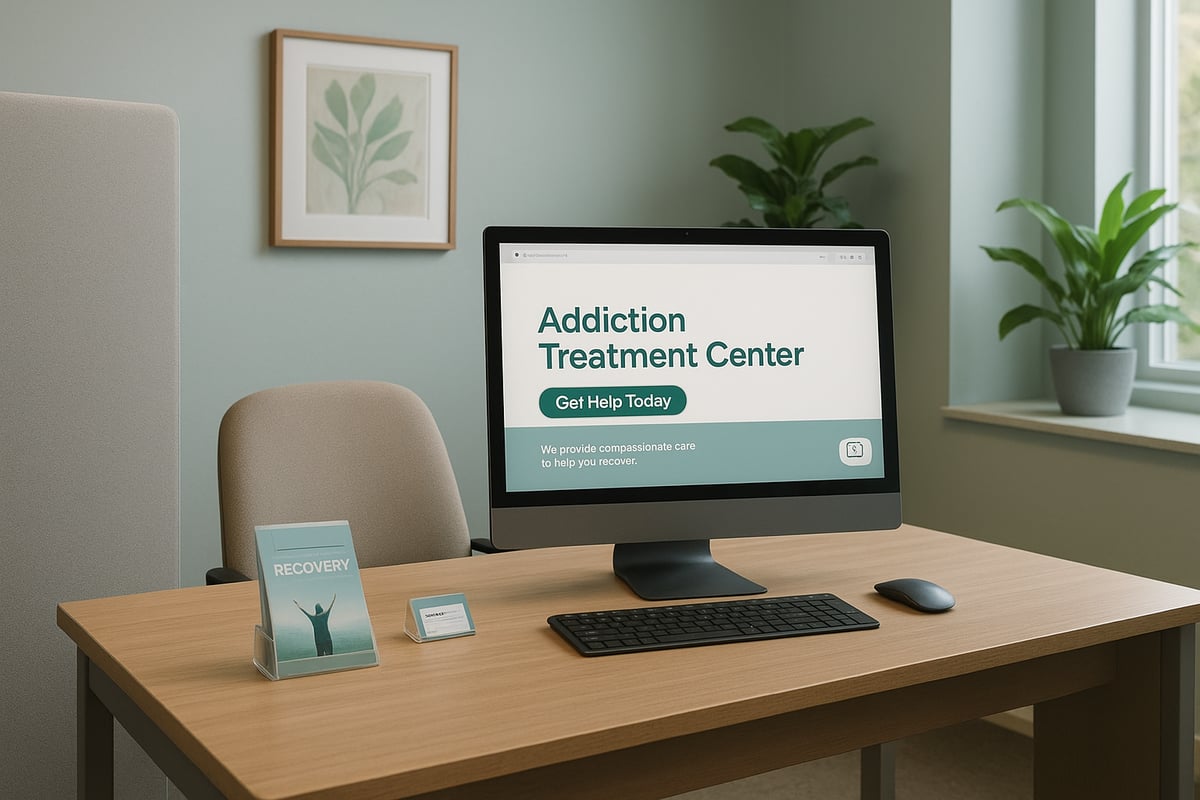
Digital marketing for recovery centers walks a tightrope—balancing visibility, compassion, and compliance. If you have ever wondered why rehab marketing is different, it comes down to the need for empathy and ethics at every step. SEO requires more than keywords; it demands language that meets people where they are. For detailed strategies, see digital marketing best practices for rehab centers, which provide a thoughtful roadmap for this nuanced approach.
SEO and Content Strategy for Sensitive Topics
When it comes to SEO, you have to think like a person searching for help, not a marketer. Why rehab marketing is different becomes clear when you create content that is stigma-reducing, honest, and never exploitative. Use phrases people actually type, answer difficult questions openly, and offer hope without glossing over reality.
- Use real, everyday language in your content
- Address privacy and confidentiality up front
- Share stories, not statistics, when possible
This builds trust and helps your site rank for the searches that matter most.
Website Design: Compassion Meets Compliance
Your website is more than a digital brochure—it is often the first contact someone has with your center. Make it accessible, easy to navigate, and always privacy-first. HIPAA compliance is not optional, so forms and chats must be secure. Thoughtful design, calming colors, and clear calls to action can create a sense of safety and welcome.
A site that feels human, not clinical, can mean the difference between a visitor reaching out or clicking away.
Paid Advertising and Ethical Retargeting
Paid ads can be effective, but regulations are strict for a reason. This is where you see why rehab marketing is different from other healthcare niches. Your messaging must avoid sensationalism and false hope. Ethical retargeting means only reaching out to those who have shown real interest, and always respecting their privacy.
Transparency in ads builds credibility with both clients and regulators. Focus on clarity rather than clever hooks, and track conversions with care.
Social Media: Balancing Outreach and Sensitivity
Social media offers a chance to educate and connect, but it is not about going viral. Choose platforms that match the tone of your center. Share staff spotlights, myth-busting posts, and educational resources, not dramatic testimonials. Always monitor comments for sensitivity and be quick to address misinformation.
Remember, the heart of social outreach should be support and understanding, not spectacle.
Ethical Considerations and Long-Term Reputation Management
Ethics are not just a legal checkbox—they are the heartbeat of effective, lasting rehab marketing. The field is littered with stories of shortcuts and regrets. So, why rehab marketing is different? Because you are not just selling a service, you are safeguarding lives and hope.

The Dangers of Aggressive or Misleading Tactics
It is tempting to promise quick fixes, but the blowback from misleading claims is swift and severe. In 2024, fines for deceptive marketing in behavioral health shot up 40 percent. The FTC rules on rehab advertising highlight why rehab marketing is different—every word counts, and every exaggeration can erode trust.
- Overpromising outcomes
- Using fear or shame in ads
- Hiding or fabricating credentials
The cost of aggressive tactics? Damaged reputations, regulatory action, and lost community trust.
Building a Reputation for Compassion and Integrity
Consistency is your best friend. Center your messaging on honesty and warmth, not hype. Invite alumni and families to share their stories, with permission. Respond to feedback, both positive and negative, with transparency and empathy. Over time, these actions stitch together a reputation for compassion that no pay-per-click budget can buy.
Sustainability Over Short-Term Gains
The real secret of why rehab marketing is different is that short-term wins rarely last. Focus on content and relationships that grow over time. Invest in resources that keep your admissions steady and your brand respected. Data shows that ongoing, ethical strategies double organic admissions in two years. The long view is not flashy, but it is what shapes legacy.
Measuring Success: Data-Driven Growth for 2026 and Beyond
It is one thing to build trust and visibility, quite another to prove that your efforts are actually working. That is why rehab marketing is different. It is not just about clicks or impressions, it is about genuine, measurable progress toward helping real people.
What should you measure? Here are the core metrics:
- Qualified admissions: Not just inquiries, but people who are a true fit for your program.
- Engagement rates: How often people interact with your website, emails, or social media.
- Cost per acquisition: How much you spend to bring in each new client.
- Alumni retention: Are people staying connected and supported after treatment?
To track these, use call tracking, CRM integration, and analytics platforms that respect privacy. For more on safeguarding client data, see privacy practices in addiction treatment. It is vital that every tool you use aligns with ethical standards and legal requirements.
Real progress is not a guessing game. In 2025, centers that leaned into analytics saw a 28% bump in ROI. They tracked both online and offline referrals, adjusted strategies based on real numbers, and focused on admissions quality, not just quantity.
In the end, the magic is in steady, data-driven growth. Let the numbers guide you, but always keep your focus on the lives behind each metric.
So after thinking about everything we’ve covered—from the emotional complexity of your audience to the ever-changing compliance rules—it’s clear that rehab marketing isn’t just about getting clicks or calls. It’s about building real trust and making a genuine difference in people’s lives, right? If you’re wondering how to put these strategies into action for your treatment center and want some expert guidance tailored just for you, why not take the next step? Let’s chat about your goals and challenges in a no pressure way. Schedule a Free Consult and see how we can help you connect with those who need you most.