
Picture this: a family searches for help online, and in seconds, they decide whether to trust your center or scroll past. In 2026, perception is reality, especially when it comes to the delicate work of addiction recovery.
Our aim here is simple—to give you practical, innovative tools for reputation management for rehab centers that go far beyond the usual review tactics. Reputation today is about trust, transparency, and nurturing a genuine sense of community, not just star ratings.
Did you know 73% of people now depend on online reviews before choosing care? That number reflects how much is at stake. A strong reputation means more than just filling beds; it means lasting credibility, ethical visibility, and growth you can sustain.
If you want your admissions to reflect your values, not just your marketing, these six forward-thinking strategies will help. Let’s explore how to build the kind of reputation that not only attracts but truly supports those who need your help most.
The Evolving Landscape of Reputation Management for Rehab Centers
If you feel like the ground beneath your center keeps shifting, you’re not wrong. Reputation management for rehab centers has transformed dramatically since 2020, thanks to rapid digital innovation and a new generation of patients who expect information, empathy, and transparency at their fingertips.
The stakes are high. Rehab centers face hurdles most healthcare providers never see—stigma still lingers, privacy matters more than ever, and every word you share must carry a sense of hope. With the U.S. rehab market projected to reach $385.92 billion by 2030, the competition for trust is fierce.
Reviews have become the heartbeat of decision-making. In fact, 73% of patients check reviews before choosing a provider, a number that would have sounded unthinkable a decade ago. AI-driven search, real patient narratives, and the viral nature of social proof mean that a single story can ripple through your reputation for years.
But with these opportunities come responsibilities. Compliance with HIPAA and ethical communication aren’t just boxes to check—they’re the foundation of public trust. Every post, reply, or video must be both kind and careful, balancing authenticity with confidentiality.
For reputation management for rehab centers, a reactive approach simply isn’t enough anymore. Sustainable admissions and community credibility depend on innovation, adaptability, and the courage to lead with integrity. That’s the real path forward in 2026.

6 Innovative Tips for Reputation Management for Rehab Centers 2026
The landscape of reputation management for rehab centers is not for the faint of heart. You’re dealing with hope, stigma, privacy, and the very real human need for trust. If you want to shape perception in 2026, you’ll need a toolkit that’s both high-tech and deeply human.
1. Embrace Real-Time Review Monitoring and Sentiment Analysis
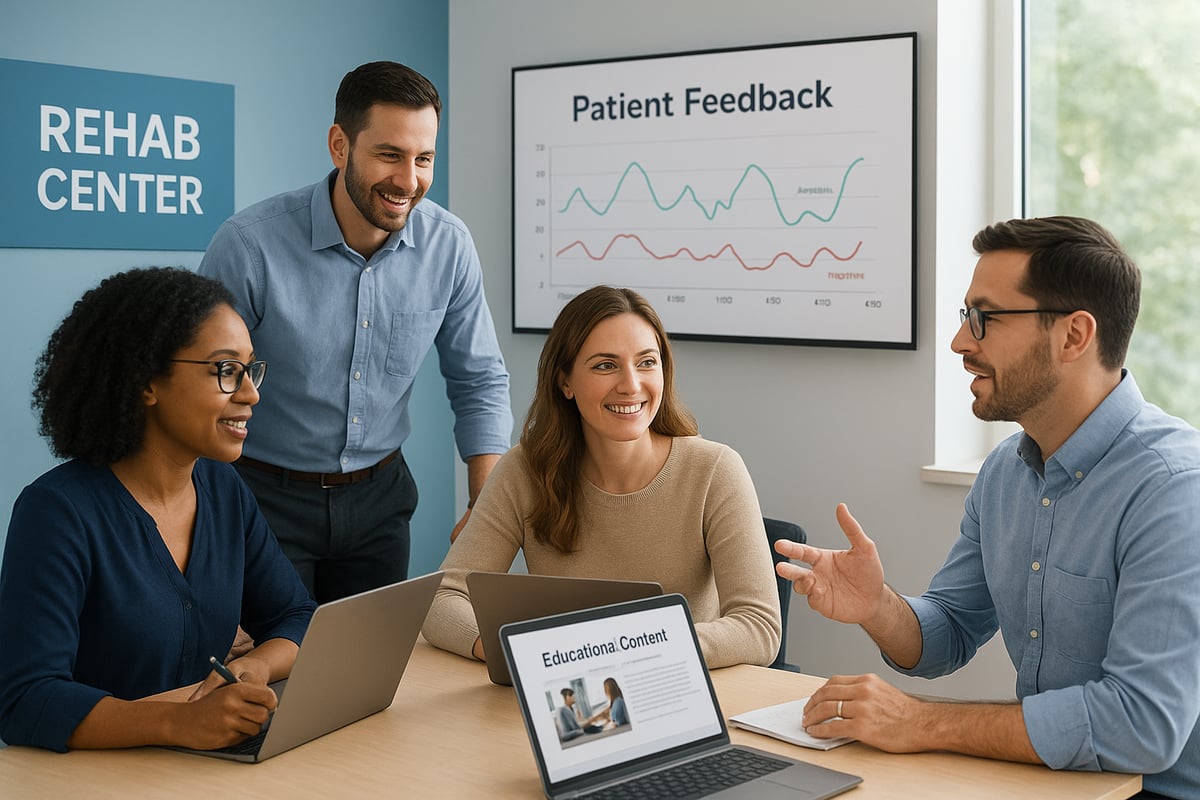
In 2026, reputation management for rehab centers starts with vigilance. Automated platforms like ScoreDoc and RepuGen gather reviews from Google, Healthgrades, and more, funneling them into one dashboard for easy oversight. AI-powered sentiment analysis helps you spot trends—whether patients are quietly celebrating your staff’s kindness or raising a red flag about long wait times.
Set a weekly review routine. Assign a dedicated team member to monitor feedback, so concerns never slip through the cracks. Studies show that real-time monitoring leads to faster conflict resolution and higher patient satisfaction, both crucial for reputation management for rehab centers.
Transparency and responsiveness are not just buzzwords—they’re your frontline defense and your invitation for patients to trust you.
2. Respond Thoughtfully and Authentically to All Feedback
Every patient voice matters, so reputation management for rehab centers depends on how you answer. Forget the canned responses. Instead, craft HIPAA-compliant, personalized replies to each review. Acknowledge specifics, show empathy, and, when necessary, invite conversation offline.
AI tools like ReplyWize can offer templates, but your humanity should shine through. Studies confirm that personalized replies increase trust and engagement. A calm, gracious response to criticism can transform skeptics into advocates, and every reply is a chance to reinforce your reputation management for rehab centers philosophy.
Treat each interaction as an opportunity to build a bridge, not just put out a fire.
3. Create and Share Educational, Patient-Centered Content
People are hungry for answers, not jargon. Reputation management for rehab centers thrives when you deliver accessible, honest information. Create blogs, videos, and infographics that tackle common recovery questions, demystify the process, and lift the veil on what happens behind your doors.
Highlight patient success stories (with consent), showcase staff expertise, and offer actionable tips for families. Optimizing content for search engines and AI-driven overviews is key, so use structured data and question-based headings to improve visibility.
Short-form videos, like “3 Tips for Navigating Early Recovery,” can build trust quickly. This is how you position your center as a gentle authority in the digital age of reputation management for rehab centers.
4. Foster Community Trust Through Social Media Engagement
Social media isn’t just for memes and cat videos—it’s a reputation management for rehab centers powerhouse. Share positive reviews, staff spotlights, and real-time updates on platforms like Facebook, Instagram, and LinkedIn.
Host live Q&A sessions with therapists or alumni, making your brand approachable and real. Respond promptly to comments and messages, showing your accessibility. Participate in campaigns like National Recovery Month to align with broader movements and values.
Behind-the-scenes glimpses of your facility or team members build relatability. Encourage respectful dialogue and watch your online community become a living, breathing extension of your reputation management for rehab centers efforts.
5. Systematize Patient Experience Improvements and Word-of-Mouth Referrals
Nothing beats organic word-of-mouth for reputation management for rehab centers. Train your staff in empathy, active listening, and clear communication at every touchpoint. After discharge, follow up via email or SMS to nurture ongoing relationships.
Develop referral and loyalty programs. For example, Patient Experience and Alumni Program initiatives can foster community and encourage alumni to share their positive experiences. Use feedback tools to pinpoint areas for operational improvement.
Here’s what helps most:
- Thank-you notes or small tokens for referrals
- Structured post-discharge follow-ups
- Consistent training in patient communication
Remember, 42% of patients trust online reviews as much as personal recommendations. Satisfied patients are your best advocates for reputation management for rehab centers.
6. Prioritize Legal, Ethical, and Privacy Standards in All Reputation Efforts
The foundation of reputation management for rehab centers is trust—and trust requires rigorous privacy and ethical standards. Always ensure strict HIPAA compliance in public responses and content. Train staff regularly on confidentiality and best practices for sensitive communication.
Establish clear protocols for handling negative reviews or delicate feedback. Review your policies often to keep up with changing regulations. For a practical guide, look at Privacy Practices and HIPAA Compliance, which outlines how to safeguard patient information.
Never disclose any identifiable details in public responses. Non-compliance can damage reputation management for rehab centers for years. Position your center as a beacon of ethical care in a field where trust is everything.
Measuring Success and Adapting for Sustainable Growth
Measuring your progress is the not-so-secret ingredient to sustainable growth. In 2026, reputation management for rehab centers means more than counting stars on Google. It is about turning every review, response, and referral into data you can use—and stories you can learn from.
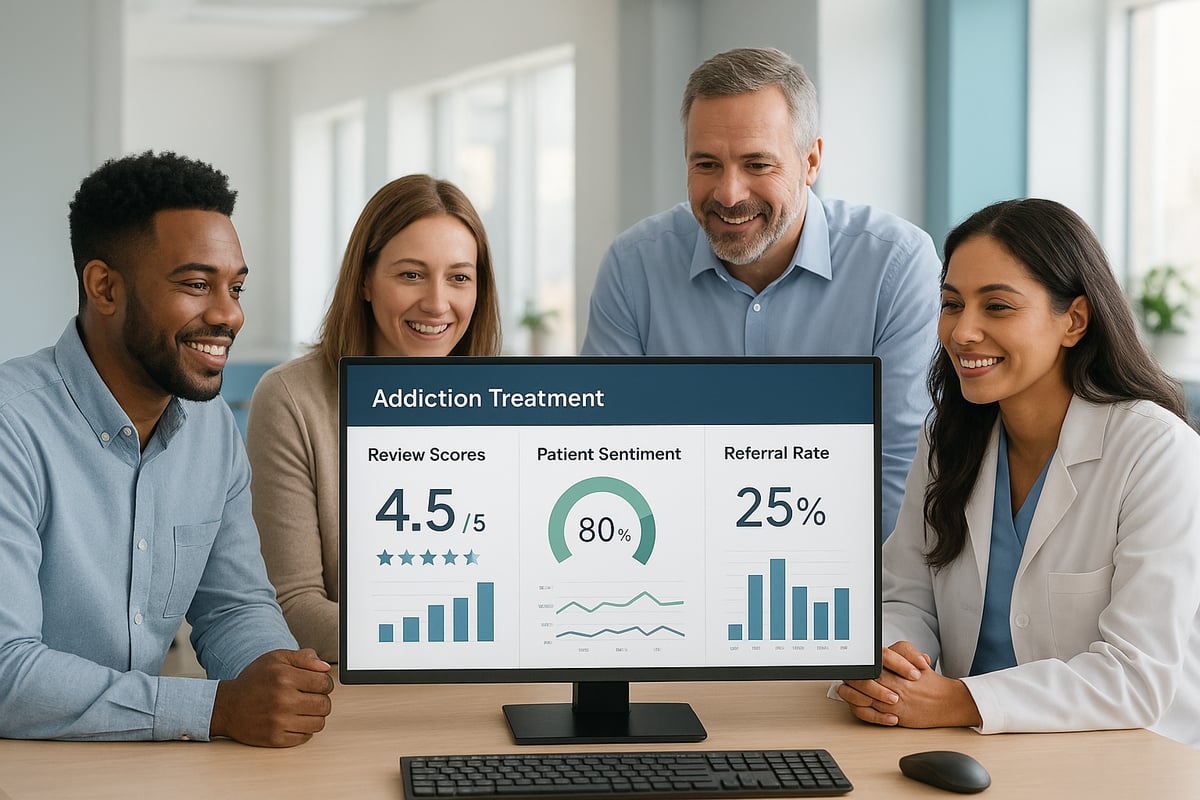
To keep things clear, here are the key metrics to watch:
- Review volume: Are more people sharing their experiences?
- Average rating: Is your overall reputation improving?
- Response time: How quickly do you address feedback?
- Patient sentiment: What emotions are showing up in comments?
- Referral rates: Are satisfied patients recommending your center?
Using dashboards and analytics tools, you can spot patterns before they become problems. For example, the 2025 Patient Review Survey Insights show that almost three-quarters of patients read reviews before choosing care. That means your data is not just numbers—it is a living reflection of your impact.
But numbers alone will not tell the whole story. Ask your patients, their families, and even your referring professionals what they see and feel. Their feedback will help you fine-tune your reputation management for rehab centers strategy. Benchmark against other providers in your community and nationwide. This is not about keeping up with the Joneses, but about learning where you shine and where you might grow.
Digital trends will keep evolving. Search algorithms will shift, new platforms will pop up, and expectations will change. Celebrate your wins, big and small, by spotlighting staff who shape positive experiences. Remember, reputation management for rehab centers is not a box to check. It is a continuous, thoughtful process that shapes admissions, trust, and your long-term legacy.
So after diving into these six innovative tips, you can see just how much reputation management is shifting for rehab centers—especially as we head into 2026. It’s not just about chasing five-star reviews; it’s about building trust, staying compliant, and genuinely connecting with your community. If you’re feeling inspired but want a little extra guidance on where to start or how to tailor these strategies to your center’s unique needs, why not chat with someone who lives and breathes this stuff? Let’s connect and map out a plan together—just Schedule a Free Consult and we’ll take it from there.