
Picture this: It’s 2026, and everywhere you turn, the chatter about recovery detox is relentless. There are endless opinions, questionable claims, and bold promises shouting for your attention. For those of us working in addiction treatment or mental health, it’s easy to feel lost in the noise—and even harder for the people who need real help.
You know the stakes are high. Whether you’re leading a center or guiding a family, you crave something truthful, ethical, and genuinely effective. That’s why this guide exists: to give you a clear, practical roadmap for elevating your recovery detox approach with trust, real visibility, and sustainable growth.
We’ll unpack the current detox landscape, share how to build trust without hype, explore ethical marketing, and reveal strategies for standing out with integrity. If you’re looking for steady admissions and long-term impact, you’re in the right place. Let’s get started—because hope is not just possible, it’s urgent.
The Recovery Detox Landscape in 2026
It’s 2026, and the world of recovery detox feels louder and more crowded than ever. With a tidal wave of digital information, evolving regulations, and higher patient expectations, it’s no wonder both individuals and providers can feel overwhelmed. The rules keep shifting, and the stakes—people’s lives—remain as high as ever.
One of the most significant shifts is the rise of holistic and individualized recovery detox programs. According to SAMHSA and CDC, interest in these approaches jumped 27% in 2023. People are searching for options that address their whole selves, not just physical symptoms. If you’re curious about how these methods look in practice, you can learn more about Holistic Addiction Treatment in Arkansas.
Telehealth and digital outreach have also changed the landscape. More admissions now begin with a click or a video call, making accessibility and responsiveness critical. As a result, transparency and authenticity in addiction treatment marketing have become non-negotiable. People want to see real stories, honest outcomes, and clear credentials before they trust a center with their recovery detox.
The role of family and community support is finally getting its due. Studies consistently show that involving families leads to better outcomes. At the same time, co-occurring disorders are more visible, pushing centers to integrate mental health care within detox programs.
Here’s a quick look at what’s working:
- Centers embracing digital transformation saw up to 40% more qualified leads
- Programs with strong family engagement report higher success rates
- Integrated care models are becoming the norm, not the exception
In this competitive space, clinical expertise alone isn’t enough. To truly stand out in 2026, centers must combine ethical marketing, holistic care, and a commitment to transparency—because trust is the new currency.

Building Trust: Foundations for Ethical Recovery Detox Marketing
Trust is the currency of recovery detox marketing, and yet, it is astonishing how quickly it can be spent when promises outpace reality. You have probably seen it—websites touting miracle solutions or dramatic claims, which only deepen stigma and skepticism. The truth is, building sustainable admissions starts with a commitment to honesty and respect at every touchpoint.
When you communicate about your program, clarity is your greatest ally. Spell out what your recovery detox process involves, who delivers care, and what families can realistically expect. Avoid the temptation to use vague language or inflated success rates. Instead, let your results, staff credentials, and transparent communication speak for themselves. If you are looking to answer common questions with integrity, consider referencing a resource like the New Client Detox FAQ to help demystify the process for clients and families.
Testimonials and authentic stories matter—55% of families say reviews and word-of-mouth shape their decisions. But privacy and dignity come first. Always obtain consent for stories, protect personal details, and stay compliant with HIPAA and ethical advertising standards. Remember, your messaging should empower clients with agency, not paint them as passive recipients of care.
Here are a few ways to build trust in your recovery detox marketing:
- Offer virtual tours that show your facility as it truly is
- Share staff interviews and credentials openly
- Provide educational resources that are honest and actionable
Consider adopting a slow, steady approach to outreach. Quick wins might spike numbers, but genuine, consistent engagement plants seeds for lasting growth. In a crowded landscape, trust is not just a differentiator—it is the foundation for every meaningful, ethical recovery detox relationship.

EagleCrest Recovery: A Model for Holistic, Transparent Care
If you’re looking for a real-world example of ethical, sustainable recovery detox, EagleCrest Recovery in Arkansas stands out for all the right reasons. This center doesn’t just tick boxes—they’ve built their reputation on a continuum of care that starts with medically supervised detox and extends to robust alumni support, ensuring no one feels dropped after the initial phase.
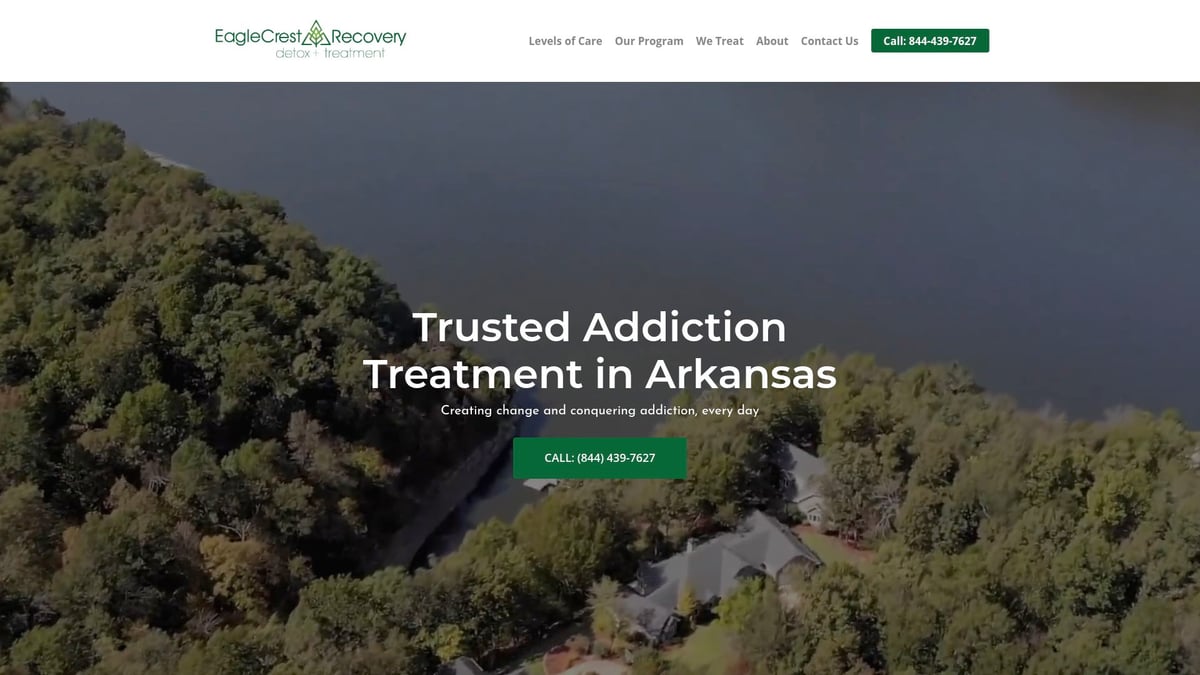
What sets EagleCrest apart is their holistic and evidence-based approach. Clients have access to therapies like music therapy and dual diagnosis treatment, which meet both the scientific and human needs of recovery. For those seeking medical detox near Tulsa, EagleCrest’s commitment to individualized care means every plan is tailored, not templated.
Accessibility is at the heart of their model—think transportation help, insurance partnerships, and family involvement that isn’t just lip service. High client satisfaction and glowing testimonials aren’t marketing fluff, but the outcome of transparent communication and real attention to dignity.
Modern, comfortable facilities further foster trust and healing. For any center aiming to build visibility and credibility in 2026, EagleCrest’s approach offers an honest blueprint: lead with transparency, compassion, and a genuine commitment to long-term growth.
Visibility in a Crowded Digital Era: Standing Out with Integrity
In the noisy digital world of 2026, being seen is not just about volume—it is about clarity, honesty, and meeting people where they are. Addiction treatment centers and mental health providers trying to grow their recovery detox admissions face a landscape where attention is precious and skepticism is high. If you feel like your message is getting lost, you are not alone. The good news? You can stand out without sacrificing integrity.

Understanding the Digital Detox Audience
Let us talk about the real people behind the screen. In 2026, individuals seeking recovery detox—along with their families—are more informed and discerning than ever. They start with Google on their phones, use voice search to ask urgent questions, and expect clear, instant answers.
Their backgrounds are diverse, and so are their needs. That is why culturally competent, inclusive messaging is not just a nicety, it is a necessity for connecting with the modern recovery detox audience.
SEO and Content Strategy for Recovery Detox
If you want to be visible, focus on what your audience is truly searching for. Authoritative, user-focused content helps your recovery detox center rank for the questions that matter most.
Essential content types include:
- FAQs that cut through confusion
- Myth-busting articles for skeptical readers
- Treatment timelines to set expectations
- Family guides with practical advice
Centers that invest in robust content strategies see three times higher organic lead conversion rates. For a deeper dive into educational resources, explore Alcohol and Drug Detox Information for inspiration on content that builds both trust and visibility.
Ethical Outreach and Paid Visibility
Paid digital outreach can boost your visibility, but it is not a shortcut to trust. Stick with compliant ad platforms, like Google Ads and Facebook, and always use ethical, honest copy. Make sure landing pages are transparent and that calls to action are clear.
Measure performance regularly, and be ready to adapt as platforms and policies evolve. The centers that last are the ones that see every campaign as a chance to serve, not just sell.
Sustainable Admissions: Long-Term Growth Without Compromise
Building sustainable admissions for your recovery detox program is not about chasing the next shiny marketing tactic. It is about resisting quick fixes and focusing on what actually works—building long-term relationships, prioritizing trust, and measuring impact beyond numbers. In 2026, the centers that thrive are the ones that treat admissions as the natural result of meaningful, consistent engagement.
If you look at the numbers, alumni programs and ongoing community involvement are not just feel-good add-ons. Centers with active alumni networks report a 25% higher year-over-year retention rate, which tells you something important: people return to places where they feel respected, supported, and seen. The same applies to partnerships with healthcare providers, therapists, and community organizations. When you collaborate, everyone benefits, and your recovery detox center becomes a trusted resource, not just another option in a crowded field.
Staff development and ethical leadership are essential, too. When your team feels valued, trained, and genuinely invested, they naturally foster a culture of integrity and care. Ethical marketing is not just a buzzword—it is a practice, and you can find actionable ideas in guides like ethical marketing strategies for rehab centers.
Here are a few practices to keep your admissions sustainable and your impact real:
- Invest in ongoing staff training and retention initiatives
- Build and nurture alumni and family support networks
- Prioritize fresh, helpful content and SEO efforts that answer real questions
- Measure outcomes and adapt strategies as you learn
- Stay vigilant on compliance and addiction treatment marketing standards
The most successful recovery detox centers we have seen are those that move at a steady, intentional pace. They grow by honoring transparency, patience, and a deep commitment to values. When you approach admissions as a byproduct of trust and service, rather than a goal to be chased, you create a foundation for real, lasting growth.
Renewal and Resilience: The Human Side of Recovery Detox Marketing
In the noise of 2026, it’s easy to forget that ethical recovery detox marketing is, at its core, about people. Your work reaches far beyond algorithms and ad campaigns—it touches lives, shapes communities, and, when done with care, helps restore hope. The recent surge in interest in holistic detox approaches, reflected in holistic detox program statistics 2023, shows that society is craving not just solutions, but authenticity and compassion.
Real renewal in recovery detox marketing doesn’t come from glossy promises. It comes from humility—admitting what you do not know, listening deeply, and honoring the dignity of every person you serve. As providers and marketers, it’s tempting to chase quick wins, but the real impact is found in honest conversations and consistent support.
Here are qualities that build resilience and trust in this field:
- Compassion for every individual’s unique story
- Humility in both success and setbacks
- Self-awareness to recognize your own biases
- Commitment to clear, authentic messaging
- Willingness to adapt and learn, again and again
When you center your recovery detox efforts on these values, you create space for both your clients and your staff to heal and grow. Authentic messaging does more than inform—it reassures, connects, and empowers.
Progress in this field rarely happens all at once. Celebrate the small wins, learn from the inevitable stumbles, and remember that sustainable growth is possible when you put people first. Every ethical choice, whether online or in person, helps create a culture of renewal and resilience that extends far beyond your organization.
If you’ve made it this far, you’re clearly committed to making real, sustainable change—not just for your organization, but for the people and families you serve. Maybe you’re feeling a little overwhelmed by all the moving parts: SEO, compliance, trust-building, and standing out online in 2026. You’re not alone. The good news? You don’t have to figure it out by yourself. Why not take the first step toward clarity and growth with a friendly conversation about your center’s unique goals and challenges? Let’s map out your path together—Schedule a Free Consult and let’s get you moving forward with confidence.