
In 2026, mental health needs have soared, and treatment centers face hurdles as complex as the people they serve. If you’ve felt the weight of new regulations and shifting patient expectations, you’re not alone. This guide on mental health marketing for treatment centers is crafted to help you navigate these challenges with integrity and insight. We’ll explore the evolving landscape, how to build trust through ethical marketing, optimize your digital presence, leverage content and community, and measure sustainable growth. Let’s get practical about reaching those who need help—while keeping compassion and ethics at the core.
The 2026 Mental Health Marketing Landscape
The landscape for mental health marketing for treatment centers in 2026 is nothing short of a sea change. People are finally talking about mental health with less shame and more urgency, but they’re also demanding more from providers. Transparency isn’t a buzzword anymore, it’s the baseline. Privacy concerns are front and center, especially as digital intake and telehealth become the norm.
Evolving Patient Expectations and Digital Behavior
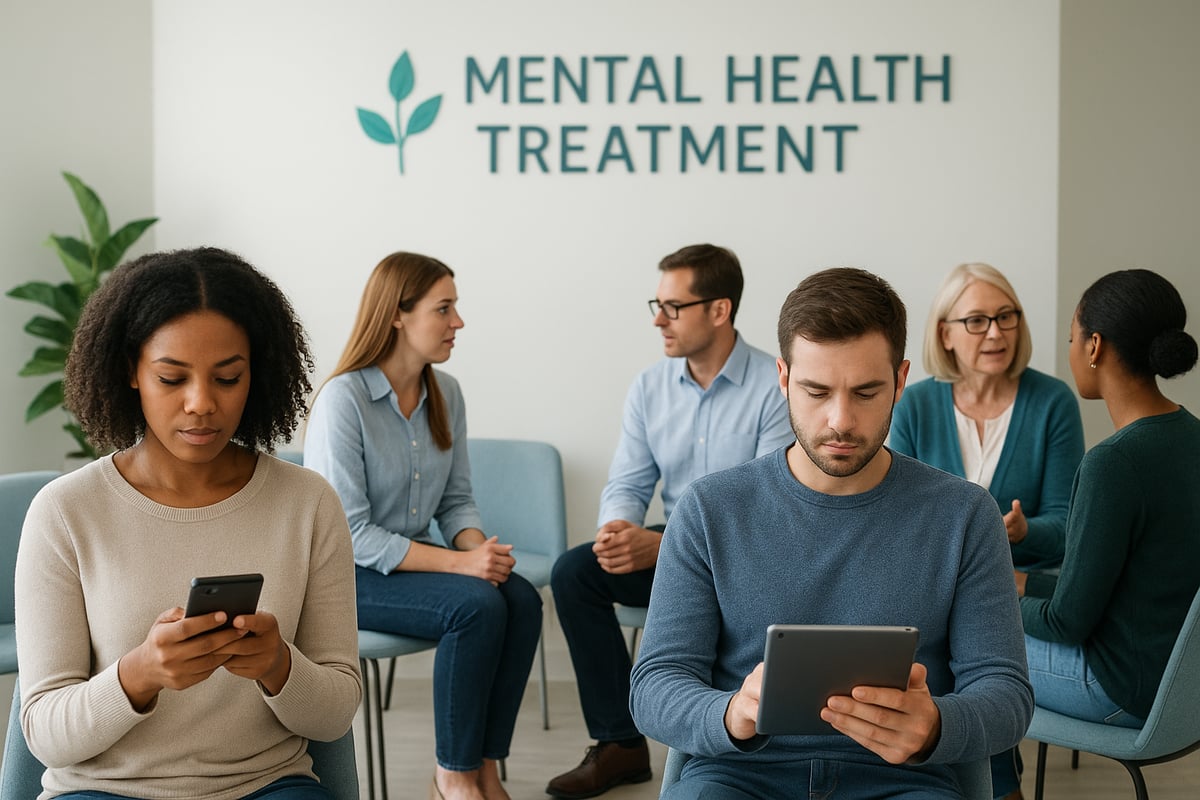
Let’s talk about how mental health marketing for treatment centers is being shaped by a new wave of patient expectations. Gen Z and Millennials, digital natives through and through, are leading the charge. They want authentic stories, not polished sales pitches. They expect providers to communicate clearly about privacy and what to expect, without jargon or sugarcoating.
Did you know 68% of people now research treatment centers online before making contact? That’s a staggering majority, and it means your digital footprint is often your first impression. Reviews and peer recommendations carry real weight. A single thoughtful testimonial can build trust faster than any paid ad.
Patients also look for centers that adapt quickly. One example: a center that implemented a seamless telehealth intake process saw a surge in inquiries and positive feedback. Regulations are evolving too, with HIPAA and ADA compliance now table stakes, and Google’s healthcare ad policies shaping what’s possible online.
For a deep dive into these emerging trends and what they mean for your strategy, check out Behavioral Health Marketing Trends 2026. Staying informed is half the battle in this rapidly shifting world.
Ethical Marketing: Building Trust and Reducing Stigma
Compassionate Messaging and Storytelling
Let’s be honest—mental health marketing for treatment centers is not about slick slogans or chasing clicks. It’s about trust, dignity, and offering a lifeline that feels real. Ethical marketing, in this context, means using person-first, stigma-reducing language. You aren’t just describing services, you’re recognizing the humanity of every person who reaches out.
It also means striking a balance. There’s a temptation to promise fast results or use fear to motivate action, but genuine hope is more powerful. People want honesty about the work ahead, not magic cures. That’s why the most effective mental health marketing for treatment centers builds connection with stories—patient voices (shared with clear consent) that show recovery is possible, not perfect.
Here are the pillars of ethical marketing in our field:
- Use language that respects and empowers
- Share patient stories with permission
- Educate without sensationalizing or minimizing
- Offer transparent, accurate information
- Follow all legal and ethical guidelines
Did you know that 72% of people trust organizations more when they see authentic testimonials? That’s a number you can’t ignore. Campaigns that educate and break down barriers—like myth-busting videos or FAQ pages—make it easier for people to ask for help. And, of course, compliance is non-negotiable. Agencies that stay current with Ethical Marketing Guidelines for Mental Health Providers make sure your voice is both compassionate and above board.
Ethical marketing is a commitment, not a tactic. When you ground your outreach in respect, honesty, and education, you invite trust—and that’s where real healing begins.

Optimizing Your Digital Presence for Visibility and Compliance
Creating a digital presence that is both welcoming and compliant is not just a technical requirement, it is a genuine act of service. In 2026, mental health marketing for treatment centers means understanding what truly matters to people seeking help: clarity, safety, and respect.
Website Design and User Experience
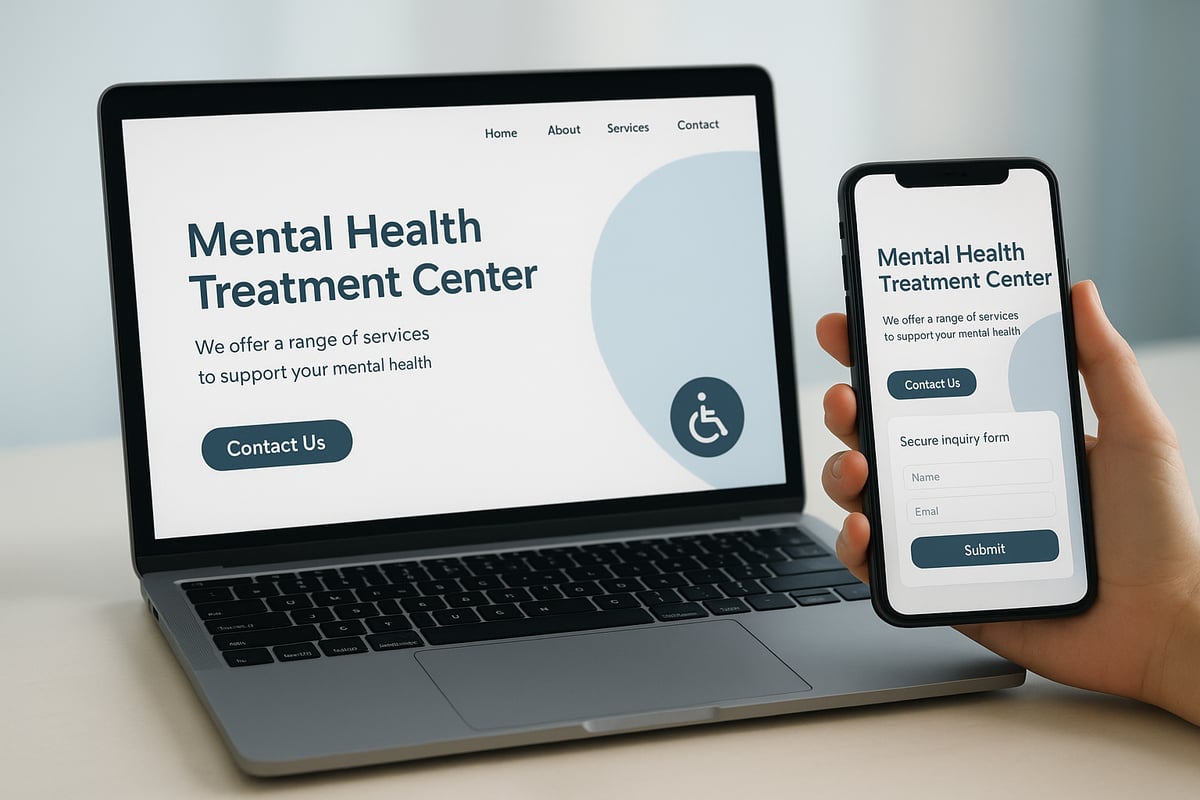
Let’s get right to the heart of it. If your website feels cluttered or slow, you are losing trust before you even get a chance to build it. For effective mental health marketing for treatment centers, your site should offer:
- Simple navigation that makes information easy to find
- Mobile responsiveness for seamless use on any device
- Fast load times so anxiety does not build before a page even opens
Secure, HIPAA-compliant forms are essential, and HIPAA Compliant Marketing for Therapists offers helpful guidance on safeguarding patient privacy. ADA compliance is not just a checkbox, it is a signal of respect. Remember, 80 percent of patients will leave a site with poor mobile usability.
SEO and Local Search Strategies
Here is where mental health marketing for treatment centers gets practical. Start with targeted keywords that reflect actual patient questions and needs. Make sure your Google Business Profile is complete, and keep local citations accurate. Patient reviews are not just stars, they are stories that shape reputation.
E-E-A-T matters: show your expertise and trustworthiness in every page. One center saw a 40 percent jump in online inquiries after focusing on local SEO and authentic reviews. The details do add up.
Might Recovery Marketing: Specialized Support for Treatment Centers
Specialized agencies are not magicians, but they are partners who understand the nuances of compliance, ethical storytelling, and sustainable SEO. With tailored content and compassionate branding, they help treatment centers grow without losing their soul.
Data-driven growth means looking at numbers with heart, not just for the bottom line but for the people behind every click. This is the long game, and it is worth playing with care.
Content Strategy and Community Engagement
Navigating mental health marketing for treatment centers in 2026 means more than just posting on social media or updating your website. It’s about meeting people at their most vulnerable, and offering information, reassurance, and a sense of belonging. Your content strategy should feel like a steady hand, not a sales pitch.

Educational Content and Resource Hubs
Thoughtful, accessible information is the backbone of mental health marketing for treatment centers. Blogs, FAQs, and resource libraries do more than fill space—they answer questions that keep people up at night. Consider offering:
- Video explainers that demystify treatment
- Infographics that simplify tough topics
- Downloadable guides for families
Centers with active blogs see three times more organic traffic, which is proof that substance matters. For inspiration on building your own educational hub, explore the Mental Health and Addiction Insights page, which is a goldmine of compassionate, clear content.
Social Proof and Community Building
Trust is built in public. Reviews, alumni stories, and genuine partnerships with local organizations can turn skepticism into hope. Invite your alumni to share their experiences, and highlight these voices in your outreach. Community events, online support groups, webinars, and live Q&A sessions all foster connection, and one center saw inquiries rise after prioritizing these efforts. For examples of meaningful engagement, look at the Alumni Program Community Engagement page—it illustrates how mental health marketing for treatment centers can create not just visibility, but a real sense of community.
Measuring Success: Sustainable Growth and Admissions Impact
Growth in mental health marketing for treatment centers is not just a numbers game, but a reflection of trust earned and lives changed. Measuring what matters, and doing so ethically, is the difference between sustainable admissions and empty promises. Let’s talk about how you know what’s working—and how to keep improving, even when the rules of the game keep shifting.
Key Performance Metrics and Analytics
Numbers have a way of telling the truth nobody else wants to say. For mental health marketing for treatment centers, clarity comes from tracking the right metrics, not just the most convenient ones. Here are the essentials:
- Website traffic (unique and returning visitors)
- Conversion rates (inquiries, form fills, calls)
- Call tracking and source attribution
- Qualified admissions, not just leads
- Patient retention and satisfaction
Tools like HIPAA-compliant analytics platforms help you monitor performance while protecting privacy. Attribution modeling—think of it as detective work for your marketing dollars—shows you which efforts actually move the needle. Industry benchmarks suggest treatment center websites typically convert at 2-5 percent, so if you’re in that neighborhood, you’re on track. For real-world trends and examples, check out Articles and News for Treatment Centers, which keeps you grounded in what’s working now.
Continuous Improvement and Adaptation
The landscape of mental health marketing for treatment centers is a moving target, so resting on your laurels is not an option. A/B testing your website copy, forms, and ad campaigns is a practical way to learn what resonates. Regular reporting and honest, data-driven conversations with your team spark smarter decisions. Encourage ongoing staff training on compliance and digital best practices, maybe even attending events like the Mental Health Marketing Conference 2026 for fresh ideas.
One center we worked with pivoted their entire admissions strategy after a deep dive into analytics—resulting in a 25 percent increase in qualified admissions. The lesson? Sustainable growth comes from curiosity, humility, and the willingness to let the data surprise you.
So, after diving into all these strategies—from building trust with real stories to making your website a welcoming space—you might be wondering how to actually put it all into action. Honestly, navigating mental health marketing in 2026 isn’t something you have to figure out alone. If you’d like a second set of eyes on your digital presence or want to see how ethical, data-driven strategies can boost your admissions without losing your compassionate touch, why not chat with someone who specializes in this world? You can Schedule a Free Consult and get some friendly, expert advice tailored just for you.