
Marketing a rehab center in 2026 is both daunting and deeply hopeful. Did you know that digital searches for addiction treatment have doubled since 2024, yet trust in providers has never been harder to earn?
Between tighter regulations, persistent stigma, and families demanding transparency, the rules of the game keep changing. But here’s the good news: ethical, trust-centered marketing not only meets higher standards, it actually fuels sustainable admissions growth.
In this guide, you’ll learn how to market a rehab center with integrity—building trust, boosting visibility, and creating long-term impact. We’ll walk through digital presence, content strategy, local SEO, reputation, paid ads, analytics, and staying ahead of new trends.
Understanding the 2026 Rehab Marketing Landscape
If you’re wondering how to market a rehab center in 2026, you’re not alone. The landscape is crowded, and it’s no longer enough to simply offer good outcomes and hope people will find you. Families are more cautious and skeptical than ever, and the old stigma around addiction treatment still hangs in the air, making privacy a top concern. There’s a lot of noise out there, and clients are sifting through it carefully, searching for signals of trust and transparency.
Let’s sketch the current scene:
- Competition among rehab centers is at an all-time high.
- Many families cite trust as their number one deciding factor—according to a 2025 survey, more than 60% say it’s what tips the balance.
- Stigma and privacy worries continue to shape decisions, often keeping people from even reaching out.
- Cold-calling and print ads are fading into the background, replaced by digital channels that require a more thoughtful, ethical approach.
New rules are also rewriting the playbook. HIPAA regulations for addiction treatment marketing are tightening, with updates taking effect in April 2026. Staying compliant isn’t just a box to tick, it’s a foundation for building credibility. If you’re unclear about these changes, the HHS Final Rule on SUD Confidentiality breaks down what you need to know, highlighting how privacy safeguards are now central to any ethical outreach.
Imagine a center with fantastic outcomes but an outdated website and no digital presence. They struggle to attract admissions, not because they lack expertise, but because they’re invisible to families searching online. This is why a principled, values-driven approach is no longer optional. To truly learn how to market a rehab center, you need a strategy that’s transparent, adaptive, and rooted in long-term trust. The future belongs to those who embrace digital visibility and lead with integrity.
Building a Trustworthy Digital Presence
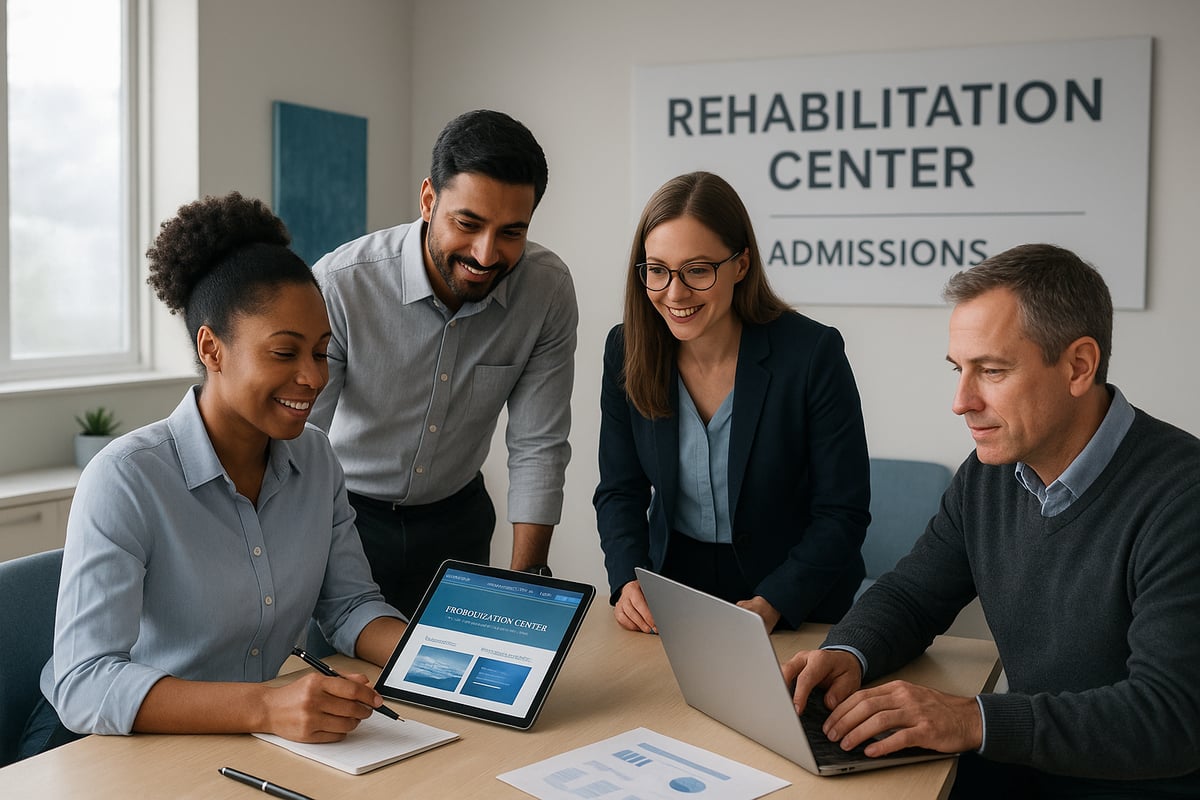
Creating a trustworthy digital presence is not just a tech checklist—it is an act of care. If you are wondering how to market a rehab center in a world where skepticism runs high, start with your website. This is where hope meets reality for many families searching for help.
Crafting an Accessible, Compassionate Website
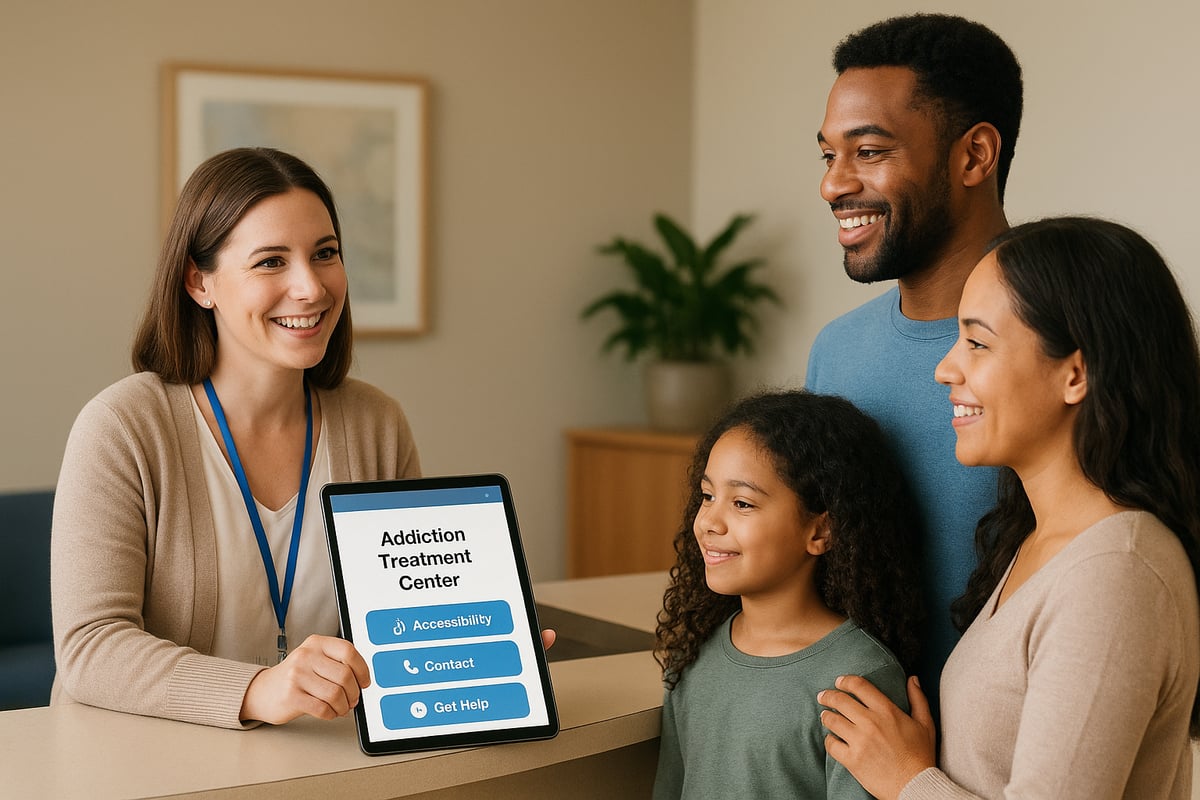
Your website is your handshake and your story. It must be mobile-friendly, quick to load, and ADA-compliant so no one is left out. Include clear service descriptions, detailed staff bios with credentials, and transparent admissions info that feels honest, not salesy.
- Privacy assurances
- Easy-to-find contact options
- Instant insurance verification forms
- Live chat for real-time support
Competitors with these features see more inquiries. In fact, 75 percent of users judge a center's credibility by website design. For deeper transparency, consider adding an Addiction center FAQ for clients page to answer common questions—this builds trust from the first click. Remember, how to market a rehab center begins with compassion in your digital doorway.
SEO Strategies for Addiction Treatment Centers
If you want to know how to market a rehab center in 2026, you cannot skip SEO. Keyword research and on-site optimization are your foundation, but Google now demands E-E-A-T: Experience, Expertise, Authority, and Trust. Regularly update authoritative content so your site speaks with both heart and evidence.
Local SEO is your secret weapon. Claim and optimize your Google Business Profile, use structured data, and encourage reviews. Consistent blogging and preparing for voice search are now best practices, not afterthoughts.
Engaging Social Media and Community
Social media can be a lifeline for connection and destigmatization. Share real stories, with consent, that put faces to recovery, and highlight your staff’s humanity. Educational posts and interactive content invite your community to engage and ask questions.
Timely responses show you are listening, not just broadcasting. In 2025, 40 percent of admissions were influenced by social media presence, proving that authentic engagement is no longer optional—it is essential.
Content Marketing: Educating and Inspiring Action
When you think about how to market a rehab center in a way that actually matters, content isn’t just a “nice to have.” It’s the pulse of your reputation, your credibility, and your ability to reach people who are quietly searching for hope. Let’s break down what makes content marketing not just effective but genuinely transformative for addiction treatment centers.

Blogging and Resource Hubs
A well-tended blog is your digital handshake. Regular posts on FAQs, treatment insights, and real recovery stories do more than fill space—they answer the silent questions families are asking at midnight. Here’s how to market a rehab center with content that builds trust:
- Post weekly to keep your site active
- Offer downloadable guides and self-assessment tools
- Link to Articles and news on addiction treatment for ongoing updates
Centers maintaining a vibrant blog see 30% more organic traffic, and articles that resonate often earn quality backlinks. Remember, clear, compassionate writing meets people where they are.
Multimedia and Visual Storytelling
People process visuals faster than text, so integrating video tours, authentic testimonials, and infographics can make your message stick. If you want to know how to market a rehab center for real impact, consider virtual tours that demystify the facility and podcasts that reach listeners on their own time.
Videos increase time on site and drive connection, while infographics make complex topics simple. Even a short testimonial video can help families feel less alone and more empowered.
Ethical Messaging and Compliance
Ethics in content isn’t optional—it’s your anchor. Every piece, whether a blog or video, must be accurate, compassionate, and HIPAA compliant. Avoid exaggerating success rates or making promises you can’t keep. Regularly audit your content to weed out anything outdated or non-compliant.
One center paid dearly in 2025 for misleading advertising, reminding us that trust is hard won and easily lost. Let your content reflect your values and your commitment to doing right by those you serve.
Local SEO and Reputation Management
Navigating local SEO and reputation management in 2026 is a bit like learning to play a new instrument—equal parts technical precision and heartfelt communication. For anyone wondering how to market a rehab center with integrity, it’s no longer enough to simply exist online. You need to show up in your community, both digitally and in real life, as a transparent, trustworthy provider.
Optimizing Google Business Profile
Your Google Business Profile acts as your digital handshake. To make it count, here are some essentials:
- Claim your profile and keep hours, services, and contact details up to date.
- Add high-quality photos that reflect your center’s warmth and professionalism.
- Use relevant keywords in your descriptions.
- Request reviews from clients, and respond to each one with care. If privacy is a concern, encourage anonymous feedback.
- Post updates and answer questions regularly to keep your profile active.
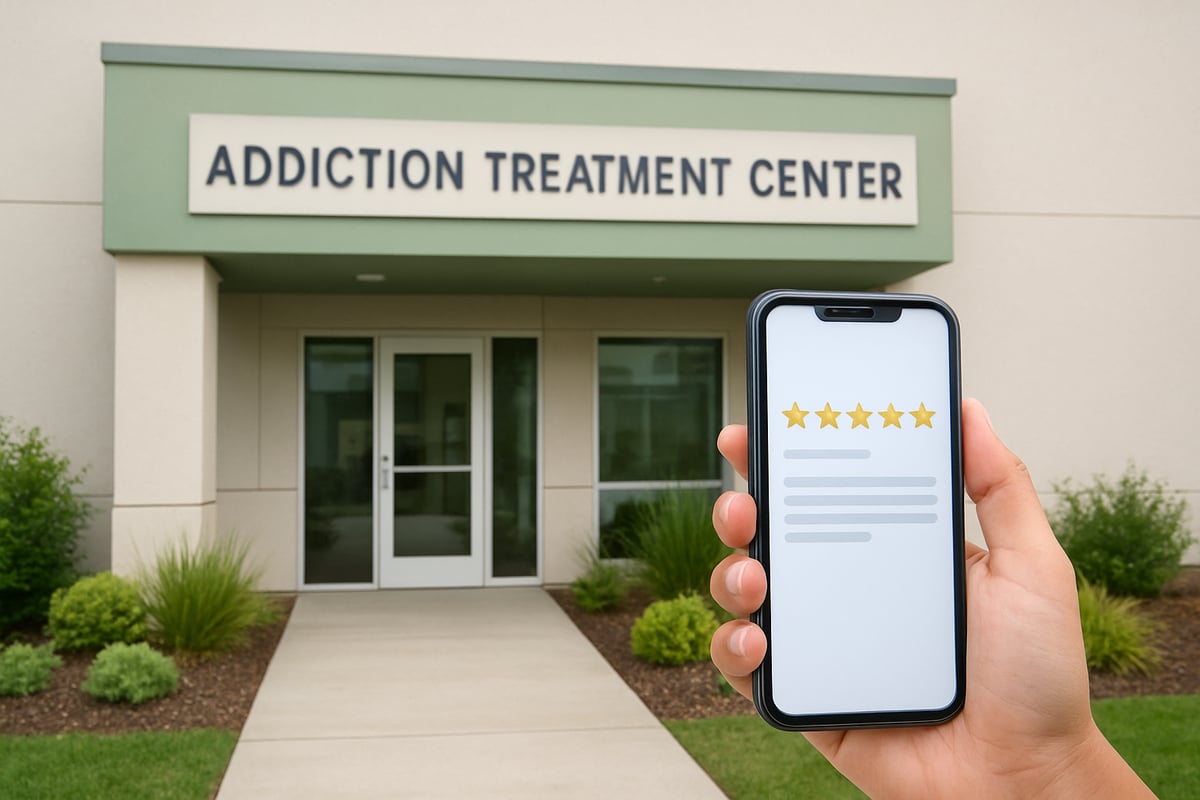
Centers with 50 or more positive reviews consistently show up higher in local searches. This isn’t just a vanity metric—it’s a lifeline for families seeking help nearby.
Leveraging Client Testimonials and Reviews
If you’re figuring out how to market a rehab center in a crowded field, genuine testimonials are pure gold. Authentic reviews, gathered post-discharge, help families and referrers trust your intentions. Address negative feedback with empathy and a concrete plan, not defensiveness. Nearly 85% of families read reviews before reaching out, so your online reputation is your front door. For ideas on compassionate outreach and community engagement, check out Optimizing rehab center reputation.
Community Partnerships and Outreach
Visibility isn’t built on algorithms alone. Building relationships with local healthcare providers, schools, and organizations deepens your roots. Host educational events, share resources, or run support groups. Partnerships with local hospitals, for example, have led to a noticeable bump in qualified leads. Sustainable admissions growth is always about trust and connection.
Paid Advertising and Lead Generation Strategies
Paid advertising feels a bit like walking a tightrope in 2026. You want visibility, but you cannot afford to lose your reputation or run afoul of compliance. If you are wondering how to market a rehab center ethically while driving real admissions, you are not alone. Let us break down what works—and what to watch out for.
Running Effective PPC Campaigns
Pay per click advertising, done right, can swiftly boost your center’s visibility. Start with Google Ads or Bing Ads, but always use strict compliance filters. Target high-intent, geo-specific keywords, such as “opioid treatment near me.” Optimize landing pages for accessibility and relevance.
Key compliance essentials:
- Use only HIPAA-safe tracking
- Avoid misleading ad copy
- Never promise unrealistic results
PPC can spark immediate inquiries, but budgeting wisely and reviewing all ad content for regulatory updates, like those seen in the FTC Action Against Alcohol Addiction Treatment Firm, are non-negotiable.
Measuring ROI and Lead Quality
It is tempting to chase every lead, but sustainable growth means asking not just “how many” but “how good.” Track every call, form fill, and admission back to its source. Prioritize quality over quantity to avoid straining your admissions team with unqualified leads.
Use analytics platforms to monitor spend and outcomes. According to Rehabilitation Marketing Statistics 2025, centers with robust lead tracking improved their cost-per-admission by 25 percent last year. That is the kind of clarity you need.
Email Marketing for Relationship Building
Email is your quiet powerhouse. Segment your lists into alumni, families, and professional referrers. Share helpful content, alumni victories, and community updates. Personalized, value-driven emails not only keep your center top of mind, but also nurture trust and increase referrals. In the realm of how to market a rehab center, consistent, thoughtful communication is never wasted effort.
Adapting to Emerging Trends and Regulatory Changes
If there’s one thing I can promise about how to market a rehab center in 2026, it’s that the ground will keep shifting. Regulatory updates, especially the HIPAA changes rolling out this April, mean your marketing approach must stay nimble and deeply ethical. Privacy isn’t just a buzzword anymore—it’s a non-negotiable part of building trust.
Don’t let these updates sneak up on your team. Ongoing staff training is essential, not just to stay compliant, but to keep your messaging compassionate and accurate. The evolution of digital privacy laws could feel daunting, but it’s also an opportunity to show families that you put their confidentiality first.
Telehealth, virtual assessments, and digital intake tools are no longer nice-to-haves—they’re expected. Meeting people where they are, both online and emotionally, is a competitive advantage. AI can help personalize content and qualify leads, but only when used within transparent, ethical boundaries. Remember, nothing erodes trust faster than a feeling of being manipulated by algorithms.
It pays to keep an eye on analytics and industry data. Staying ahead means tracking what’s working, spotting shifts early, and adjusting with intention. For a bigger-picture look at where the industry is heading, the Addiction Treatment Market Size & Share 2025-2034 report is a helpful resource.
Here are a few ways to adapt with integrity:
- Review marketing materials for compliance and accuracy every quarter.
- Invest in secure, user-friendly telehealth and intake platforms.
- Use AI thoughtfully, prioritizing consent and transparency.
- Set up regular analytics reviews to spot trends and opportunities.
Ultimately, how to market a rehab center with longevity in mind means embracing change with transparency, ethical rigor, and a steady focus on what matters—helping people find hope and healing.
So, after exploring all these strategies—from building a trustworthy online presence to navigating new HIPAA rules—it’s clear that marketing a rehab center in 2026 is about much more than just getting noticed. It’s about creating genuine connections, earning trust, and staying ahead of industry changes. Wondering how you can actually put these steps into action for your own center? Or maybe you just want to chat through some ideas and see what’s possible for your unique situation? I’d love to help you map out a plan that’s ethical, effective, and truly human. Schedule a Free Consult