
Did you know that in 2025, over 70% of people seeking addiction help found care within their own neighborhoods? The need for accessible, trustworthy support close to home is growing, and the stakes have never felt higher.
That’s why local marketing for rehab centers has become so essential. If you want to reach those who need help most—families, friends, and individuals just down the street—you need strategies that are ethical, grounded, and community-focused.
In this guide, we’ll share insights that can help you build lasting trust, increase your visibility, and ensure your outreach is both compassionate and compliant. You’ll discover practical steps for community engagement, digital presence, reputation management, and measuring your long-term impact.
Ready to create sustainable admissions growth, not just a quick spike? Let’s break down the approach to local marketing for rehab centers that truly makes a difference.
Understanding Local Marketing for Rehab Centers
Let’s get honest about local marketing for rehab centers. At its heart, this means connecting your services to the real, breathing community around you. It’s not about shouting louder, but about showing up where your neighbors need you most.
Why is local visibility so essential? For rehab centers, proximity builds comfort, and trust grows when people see you as part of the community. You’re not just a facility—they see you as a resource, an ally in their own backyard.
But, let’s not gloss over the challenges. Stigma around addiction looms large, and privacy concerns mean you must walk a careful, ethical line. Marketing here isn’t about glossy billboards. It’s about trauma-informed, compassionate outreach that reassures rather than overwhelms.
Here’s a quick data point:
| Admissions Source | Percentage (2025) |
|---|---|
| Within 50 miles | 70% |
| Beyond 50 miles | 30% |
So, most admissions happen locally. That’s huge. The way your center is perceived—resource or business—shapes everything. When your messaging is grounded in empathy, you plant seeds of trust that last.
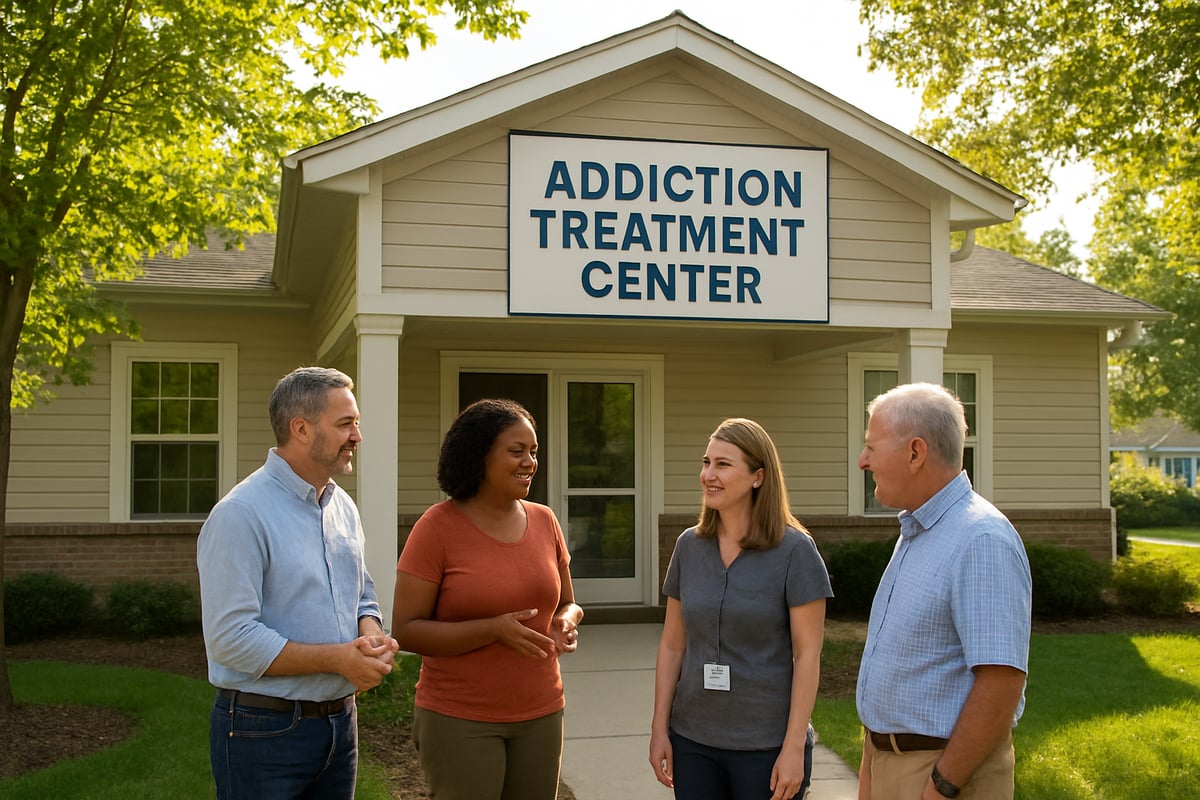
Consider how one Arkansas center leaned into true community engagement. By building real partnerships, they saw admissions climb by 30% in 2024. If you want to dig deeper, check out these Community Engagement Strategies for Rehab Centers to see what’s working nationally.
Local marketing for rehab centers isn’t just a tactic—it’s a commitment to being present, ethical, and genuinely helpful in people’s everyday lives.
Building Trust and Credibility in Your Community
Establishing trust is the real currency in local marketing for rehab centers. When a center’s reputation is built on transparency and authenticity, sustainable admissions follow. Most people facing addiction seek advice from those who have walked the same path. It is no surprise that 60% of prospective clients trust peer reviews over paid ads, according to BrightLocal 2025.
Alumni testimonials and family referrals often outweigh even the most polished campaigns. Hosting family education nights is a simple, powerful way to foster genuine connection. Vulnerability in messaging—sharing real stories, not just success rates—tends to resonate deeply. If you’re looking for practical inspiration, review how building trust with alumni programs can increase credibility and boost word-of-mouth. In the world of local marketing for rehab centers, authenticity is magnetic.

The Power of Reputation and Word-of-Mouth
Reputation is not built overnight, but it can grow steadily through consistent, ethical local marketing for rehab centers. Alumni stories, when shared with permission, spark hope and provide social proof. Families are often the first to advocate for loved ones, and their referrals are powerful endorsements.
Consider the impact of inviting families to education nights. These gatherings break down barriers and foster understanding, leading to more referrals and stronger community ties. Authenticity in messaging—showing your center’s real people and values—draws others in. The lesson here is simple: in local marketing for rehab centers, transparency and humility outperform flashy promises every time.
Ethical Community Outreach Strategies
Ethical outreach means showing up for your community without expecting immediate returns. Local marketing for rehab centers thrives on value-driven collaboration. Instead of self-promotion, focus on providing resources that matter.
Consider these partnership opportunities:
- Collaborate with local healthcare providers for referral networks.
- Offer free educational workshops at schools and faith organizations.
- Partner with employers to deliver workplace wellness programs.
Always operate within HIPAA and local advertising regulations. By prioritizing education and support, you build sustainable goodwill. For example, a center’s partnership with local employers on wellness initiatives led to a steady increase in referrals. The takeaway: ethical outreach fuels trust and long-term admissions growth in local marketing for rehab centers.
Maximizing Digital Visibility for Local Search
If you want to make a lasting difference in your community, you need to show up where people are looking. For local marketing for rehab centers, that starts online. Even in small towns, families search for help on their phones before they ever pick up the phone. Digital visibility is your handshake, your open door, your first chance to offer hope.
Optimizing Google Business Profile & Local SEO
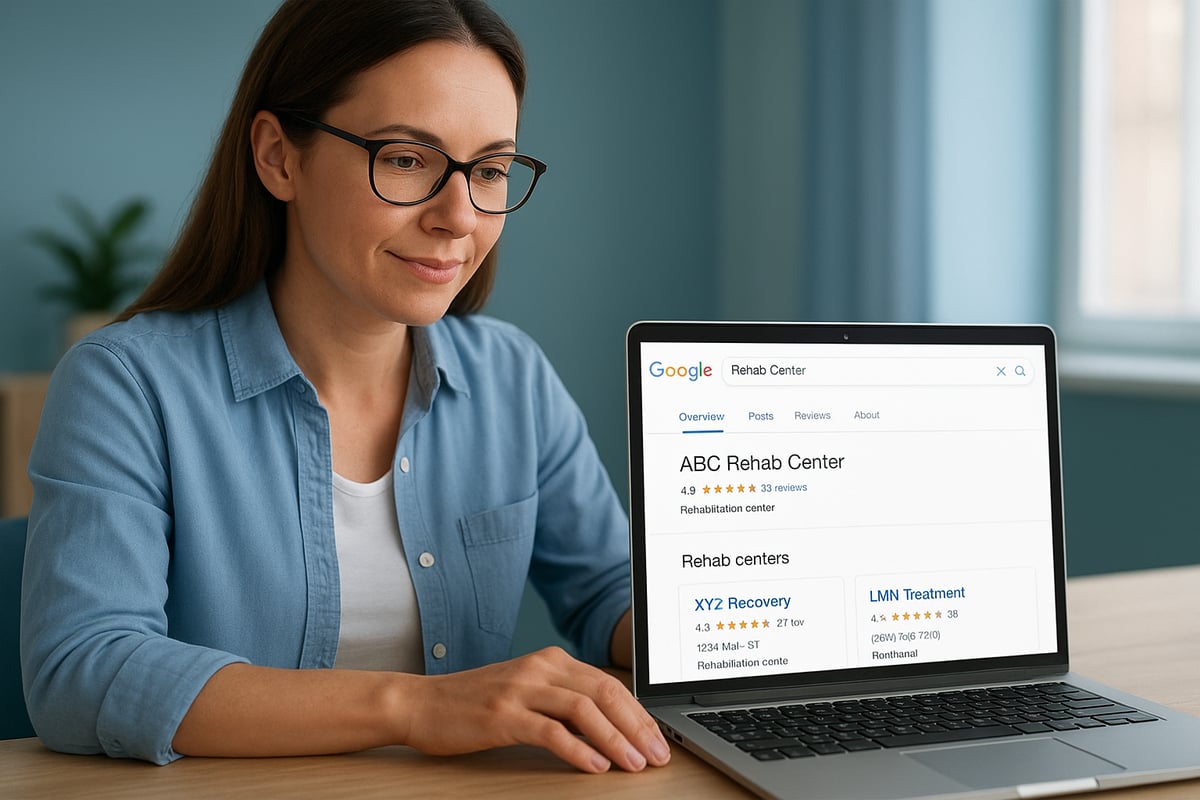
Start by claiming your Google Business Profile. This is more than a box to tick, it’s the backbone of local marketing for rehab centers. Make sure your Name, Address, and Phone are identical everywhere online. This tiny detail signals trust to both Google and anxious families alike.
Add photos that show your real, lived-in spaces and caring staff. Encourage reviews from alumni and families, and respond to each one with warmth and gratitude. The numbers tell the story: 86% of patients look online before calling a facility. Responding to reviews can boost local calls by 40%. For a deeper dive into step-by-step optimization, check out this Google Business Profile Optimization for Treatment Centers guide. Each thoughtful update is a small act of service, building trust before anyone ever walks through your door.
Content Marketing and Localized Storytelling
Hyper-local content is your invitation to the community. Blog about nearby recovery resources, share staff spotlights, and cover local events. This isn’t just about keywords—it’s about showing you understand local struggles and care about real people.
Consider a blog series like “Guide to Recovery Resources in [City],” which can help you climb to page one for local searches. Use geo-targeted keywords and answer the questions people in your area are actually asking. Storytelling in local marketing for rehab centers isn’t just good SEO, it’s a bridge over stigma and isolation. When you share authentic stories and practical guides, you invite trust and connection.
Leveraging Community Partnerships and Events
In local marketing for rehab centers, trust is built not just through digital screens, but in the everyday spaces where people gather and care for one another. Strategic partnerships with local nonprofits, mental health agencies, and advocacy groups transform your center from a distant resource into a visible, approachable neighbor.
When you co-host events—health fairs, naloxone trainings, or panel discussions—you invite your team to be seen as helpers, not marketers. According to SAMHSA, 52% of rehab centers have reported higher admissions after participating in community events. That’s not just a statistic, but a real sign that showing up, face to face, changes perceptions and opens doors.
Consider these partnership opportunities:
- Collaborate on addiction treatment meetings in Bentonville or similar local gatherings.
- Join forces with local coalitions for mental health awareness campaigns.
- Offer staff expertise at school or workplace wellness seminars.
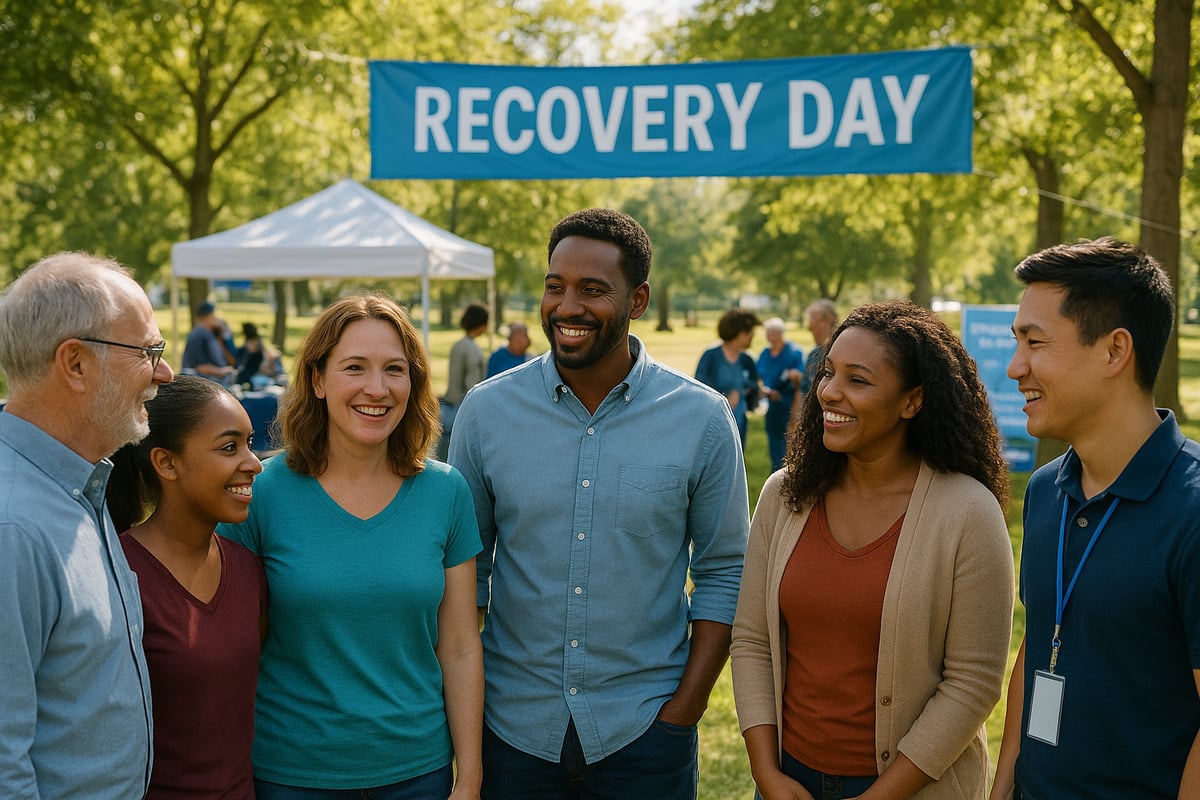
Your annual Recovery Day event can become a highlight, drawing hundreds, earning local media attention, and reminding everyone that recovery is possible and supported. Staff involvement in coalitions and task forces deepens these connections, creating networks that refer, support, and uplift.
Ultimately, sustainable local marketing for rehab centers is about reciprocity. By investing in authentic partnerships, you build credibility that advertising alone can’t buy—demonstrating your commitment to the well-being of the entire community.
Managing Online Reputation and Handling Stigma
Guarding your reputation online is a delicate dance, especially in local marketing for rehab centers where privacy isn’t just a courtesy—it’s a necessity. You want to show your impact, but you never want anyone to feel exposed. The trick is to encourage genuine reviews while respecting confidentiality. Remember, nearly half of people say negative reviews will send them running in the other direction.
So what can you do? Here are a few strategies:
- Always respond to feedback with humility and empathy.
- Share alumni or family stories only with explicit consent, weaving in family support strategies for addiction to show a broader picture of healing.
- Address misinformation with facts, not defensiveness.
Transparency doesn’t mean oversharing—it means showing up with your values, especially when things get tough. The most resilient local marketing for rehab centers is built on honest, compassionate communication. People don’t expect perfection, but they do expect you to care.
Measuring Success and Adjusting Local Strategies
Measuring progress in local marketing for rehab centers is a bit like caring for a garden—small, steady checks yield the healthiest growth. You want to know what’s taking root and what needs a little more sunlight. Tracking the right metrics ensures you’re not just making noise, but actually reaching people with compassion and clarity.
Here are the key metrics you’ll want to keep an eye on:
- Website visits from local search results
- Phone calls tracked by source
- Attendance at community events
- Referral sources, especially from local partners
Reliable tools like Google Analytics, call tracking software, and behavioral health CRMs make this process less daunting. Set aside time each month for a review meeting. This regular rhythm keeps your team focused on what’s working, and gently steers your strategy when the winds shift.
One Arkansas center saw their local inquiries double in a year after making monthly reviews a habit. It wasn’t flashy, just consistent reflection and small tweaks—no heroics necessary. Sustainable growth in local marketing for rehab centers is built on data, not hunches. For more insight on which numbers matter, the Rehabilitation Marketing Statistics 2025 report is a great resource.
Stay curious, keep learning, and let your results guide you. This is how ethical, effective outreach adapts to the real needs of your community.
So, after walking through all these strategies for boosting your rehab center’s local presence—building trust, getting your story out there, and really becoming part of your community—you might be wondering, “What’s my next move?” If you’re ready to take action and want some personalized guidance on what local marketing could look like for your treatment center, why not chat with someone who lives and breathes this stuff? I’d love to help you think through your next steps or answer any burning questions. Go ahead and Schedule a Free Consult—let’s see how you can put these ideas into practice.