Seeking help for substance use in 2026 can feel both daunting and hopeful, especially with so much information swirling around. If you have ever wondered what really happens inside 30 day drug treatment programs, you are not alone. The process might seem mysterious, but understanding it can make the first step less intimidating.
This guide takes you behind the curtain, showing what participants and families can expect from start to finish. We will explore daily routines, evidence-based therapies, how insurance works, and what happens after discharge. With new standards shaping care in 2026 and so many people starting with short-term rehab, knowing your options is more important than ever. Real stories of change remind us that transformation is possible, and the goal here is to help you make informed, compassionate decisions for lasting recovery.
Understanding 30 Day Drug Treatment Programs
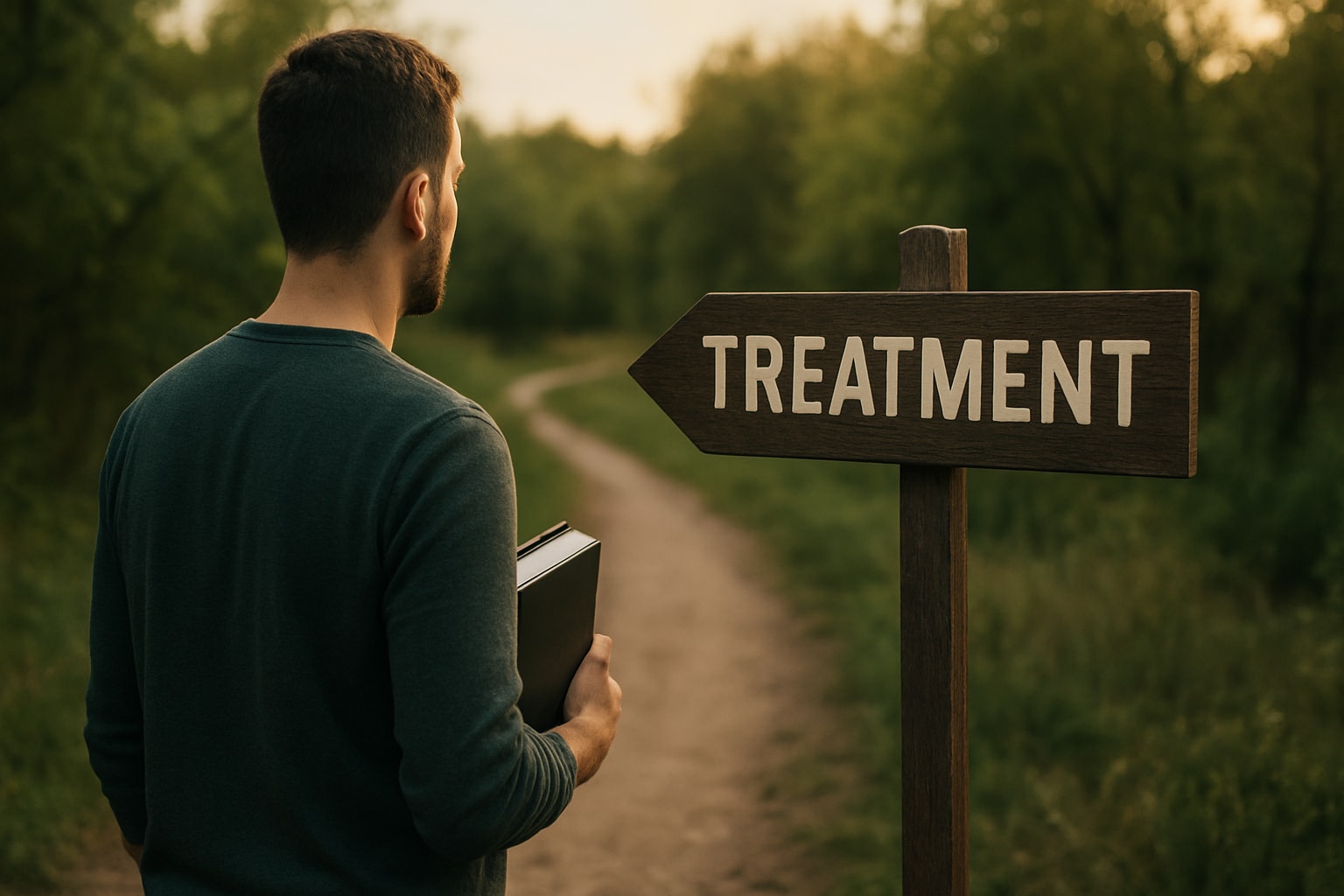
When you hear the phrase "30 day drug treatment programs," what comes to mind? For many, it’s a mix of hope and skepticism. Let’s clear the air. These programs are structured, focused treatment options designed to help people stabilize, start behavioral change, and lay the groundwork for long-term recovery.
Most 30 day drug treatment programs come in two main formats:
- Inpatient: Residential, best for those needing a substance-free setting and close support.
- Outpatient: Flexible, allows participants to live at home, ideal for those with strong support and mild to moderate symptoms.
Both aim for stabilization and initial change, but the right fit depends on your needs. Think of 30 day drug treatment programs as a powerful entry point, not a final solution. They’re the most common starting place in the U.S., but some people need longer care—like 60 or 90 days—especially if there’s a long history or co-occurring mental health concerns. If you’d like to compare all formats and lengths, check out this concise guide on Types of rehab programs.
A common misconception is that 30 days is enough to "fix" addiction. Actually, these programs are a first step, not a cure. Aftercare is essential for lasting change. The good news: most insurance plans now cover 30 day stays, thanks to federal mandates, making help more accessible than ever.

The Admission Process: What to Expect Before Day One
Starting the admission process for 30 day drug treatment programs can feel both daunting and hopeful. We see it every week—a family or individual makes that first call, with more questions than answers. In 2026, the process is more streamlined, but it still begins with a thorough assessment, covering your medical, psychological, and social history. This is not just paperwork—it’s the foundation for truly individualized care.
Once you decide to move forward, you’ll work with staff on insurance verification and financial counseling. Many centers now walk you through payment options, ensuring you understand what’s covered. Travel planning and logistics are addressed early, so you know exactly how to get there and what to expect on arrival. Family involvement is encouraged from the start, with education and support offered as part of admissions.
Packing for 30 day drug treatment programs? Here’s what to keep in mind:
- Bring comfortable, season-appropriate clothing
- Leave valuables and electronics at home
- Pack any prescribed medications in original bottles
- Include a list of important contacts
Preparing for a structured environment often stirs up anxiety and hope in equal measure. Transparency is key, so don’t hesitate to ask questions about daily routines, visitation, or program rules. A typical intake might look like this: you call in the morning, complete a pre-admission screening online, arrange travel, and sometimes check in the very next day. The demand for same-day or next-day admissions is high, and online forms have made the process more accessible than ever.
If you’re looking for more details on the structure and benefits of short-term rehab, you might find Short-term residential treatment a helpful resource.
No matter where you are in the process, remember—clarity and compassion matter most before day one.

Inside the 30 Days: Daily Life and Core Components
Stepping into 30 day drug treatment programs can feel a bit like entering a new world, and not just for the client. Families and providers alike are often curious about what really happens behind those doors. The truth is, these programs blend structure with compassion, guiding people through a thoughtfully designed process that addresses both the biology and psychology of addiction.

Medical Detox and Stabilization
For many entering 30 day drug treatment programs, the first hurdle is detoxification. This phase is medically supervised, especially for those dependent on substances like alcohol, opioids, or benzodiazepines. The goal is safety, so clients are closely monitored as their bodies adapt to the absence of drugs.
Detox usually lasts several days, but the timeline is individualized. Withdrawal symptoms are managed with medication, hydration, and rest. Not everyone needs detox; some start therapy right away. Imagine a client’s first 72 hours—vitals are checked, comfort measures are offered, and anxiety is met with steady reassurance. The aim is to stabilize, not scare.
Therapeutic Modalities and Group Work
The heart of 30 day drug treatment programs is therapy. Evidence-based approaches like Cognitive Behavioral Therapy (CBT), Dialectical Behavior Therapy (DBT), and motivational interviewing are woven into daily schedules. Most clients participate in a mix of individual and group therapy, with topics ranging from relapse prevention to rebuilding trust.
Family therapy and trauma-informed care are essential, especially for those with dual diagnoses. A typical weekly schedule might look like:
- Individual therapy (2–3 times)
- Daily group sessions
- Psychoeducation workshops
- Family or couples counseling
Standards for these therapies are outlined in SAMHSA’s National Guidance on Essential SUD Care, which ensures programs deliver effective and ethical care.
Life Skills, Wellness, and Holistic Activities
Beyond clinical care, 30 day drug treatment programs focus on rebuilding life skills. Clients learn communication, setting healthy boundaries, and practical relapse prevention tools. Wellness is prioritized through exercise, nutrition, and mindfulness practice.
Creative therapies—art, music, yoga—support mind, body, and spirit integration. A typical day is balanced: healthy meals, recreation, therapy blocks, downtime. These routines foster resilience and self-awareness, helping clients rediscover agency in their lives. The holistic approach is not a luxury but a necessity for sustainable recovery.
Insurance, Costs, and Accessibility in 2026
Facing the price tag on 30 day drug treatment programs can stir up anxiety, but you are not alone in this. In 2026, more people are seeking help, and the landscape of coverage and access is finally catching up to real needs.
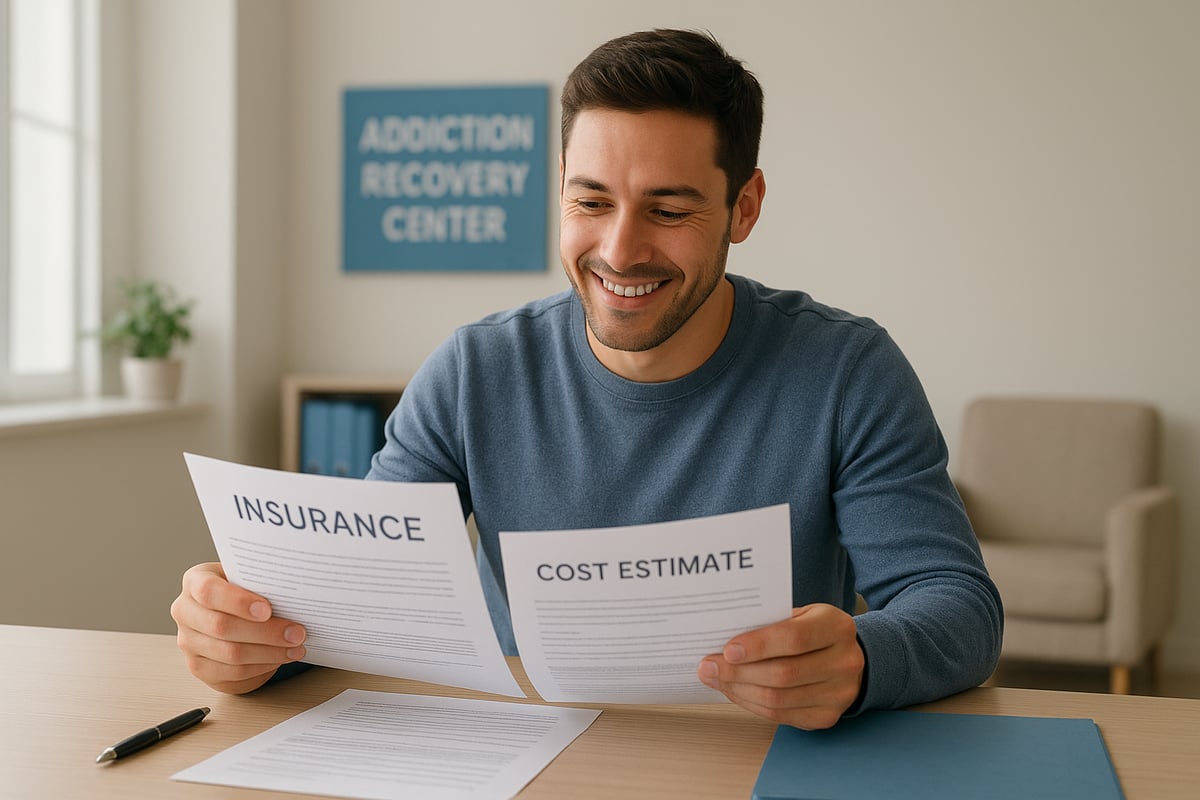
Navigating insurance is a whole skill set, but here’s the good news: Most insurance plans must offer at least partial coverage for 30 day drug treatment programs, thanks to updated federal mandates. Whether you’re in-network or out-of-network can affect your out-of-pocket costs, so it’s worth checking your specific benefits before committing.
For those uninsured or underinsured, there are more ethical options than ever. Many centers offer:
- Scholarships for qualifying clients
- Financing plans with low or no interest
- Sliding scale fees based on income
For a deeper dive into these options, see Paying for addiction treatment, which breaks down current payment strategies in plain language.
Accessibility is not just about money. Many 30 day drug treatment programs now help with travel, offer remote admissions, or provide virtual intake to make starting easier. This support can be the difference between getting help and giving up.
| Cost Factor | Typical Range | Notes |
|---|---|---|
| Insurance Coverage | Partial to Full | Varies by plan and state |
| Private Pay | $8,000–$30,000 | Depends on amenities, location |
| Financial Aid | Available/Varies | Ask each center |
If you feel overwhelmed, remember: transparency, practical questions, and a willingness to ask for help can open doors you did not know existed.
After 30 Days: Transition, Aftercare, and Relapse Prevention
Completing 30 day drug treatment programs is a milestone, but it’s not the finish line. In our experience, sustainable recovery hinges on what happens next—the careful, compassionate planning that bridges treatment and everyday life. That’s where aftercare comes in, designed to support you when the structure of daily therapy gives way to the unpredictability of the real world.
Here are some of the most common aftercare options for those finishing 30 day drug treatment programs:
- Outpatient therapy: Ongoing weekly or biweekly sessions to reinforce coping skills and monitor progress.
- Alumni groups: Community-based support to reduce isolation and foster accountability.
- Sober living homes: Transitional environments that offer structure and peer support.
- Medication management: Continued care for co-occurring mental health or substance use issues.
- Step-down programs: Intensive outpatient (IOP) or partial hospitalization (PHP) for those needing more support.
Let’s say a client completes their inpatient stay. Their discharge plan might include a referral to an IOP, a calendar of therapy appointments, and a list of alumni events. Family sessions could be scheduled to help everyone adjust. According to research, structured aftercare like this is linked to lower relapse rates and higher satisfaction with recovery. For a deeper dive into why this step matters, check out this resource on rehab aftercare planning.
The real magic of aftercare isn’t in grand gestures, but in tiny, consistent acts of self-care and connection. Family and peer encouragement remain vital, helping you stay grounded and hopeful as you navigate life beyond treatment.
Is a 30 Day Program Right for You or Your Loved One?
Choosing among 30 day drug treatment programs is not a decision anyone makes lightly. There’s a lot to weigh—practical, emotional, and ethical. You want the best shot at lasting recovery, but how do you know what “best” even means for your loved one or yourself?
Some key factors to consider as you evaluate your options:
- Severity and duration of substance use
- Presence of co-occurring mental health conditions
- Past experiences with treatment, if any
- Stability and supportiveness of the home environment
A professional assessment can help you sort through these variables. In 2026, families benefit from a national focus on quality and accessibility, as outlined in the Great American Recovery Initiative.
Here’s a quick decision-making checklist:
- Have you explored both short-term and long-term program options?
- Does the center provide individualized care and evidence-based therapies?
- How does the program handle aftercare and support post-discharge?
- What insurance, payment, or logistical resources are available?
- Are you comfortable with the staff’s approach and communication style?
Ultimately, the right fit is compassionate, flexible, and tailored to unique needs. When in doubt, reach out for expert advice—no one should have to navigate this process alone.
So, after diving into what 30 day treatment really looks like in 2026—the structure, the therapies, even the nitty gritty of insurance—you might still feel overwhelmed or unsure what the next step should be. That’s totally normal. Every person’s situation is unique, and sometimes what you need most is just a real conversation with someone who gets the industry and the journey. If you’re wondering how this all fits your life or your loved one’s needs, why not take the guesswork out of it?
Schedule a Free Consult
Let’s talk it through together, no pressure—just honest, expert guidance.